Eat Your Foes!
What if the best way to control invasive plants was… dinner? Our latest Space Invaders installment explores edible invasives across the Mid-Atlantic, how they impact ecosystems, and how to remove them one bite at a time!
North Creek's weekly blog featuring insights on the Landscape Plug™, gardening tips, design ideas, native plants, and garden ecology!
What if the best way to control invasive plants was… dinner? Our latest Space Invaders installment explores edible invasives across the Mid-Atlantic, how they impact ecosystems, and how to remove them one bite at a time!
Rain gardens are easy to specify but harder to get right. From infiltration to plant zoning to long-term maintenance, we’re digging into what actually makes these systems perform over time!
The best landscapes aren’t just planted; they’re built to function. Layers, density, and a little room for natural processes can turn even a small space into something that supports real life. It doesn’t take a full redesign to make an impact. Start with one shift. Add a layer. Rethink a space. Let it work a little harder! Earth day is every day.
Meadows are having a moment but they’re not a one-size-fits-all solution. When they’re done right, they can outperform traditional landscapes in both function and long-term value. When they’re not, they can miss the mark quickly. We’re taking an honest look at where managed meadows actually work, where they don’t, and what it really takes to make them successful in the field!
That plant may look ready, but is it actually? Dormant vs. actively growing transplants behave very differently once they hit the landscape. Understanding the tradeoffs can mean the difference between smooth establishment and early-season stress. Take a closer look before you plant!
Spacing plants for install day? Smart planting density can reduce weeds, lower maintenance, and create stronger, more resilient landscapes over time. It’s not just about how it looks now; it’s about how it performs in year three.
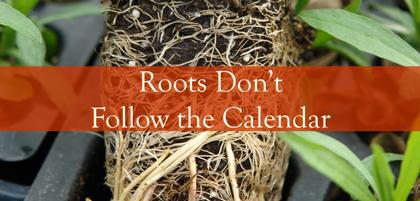
Spring may look ready above ground, but below the surface, it’s a different story. Soil temperature, root activity, and nutrient availability don’t always line up with what you see. Before you plant or fertilize, make sure the root zone is actually ready.
Spring weather is getting less predictable, so planning ahead matters more than ever. For this blog, we share simple tips for adjusting planting schedules and helping your Landscape Plugs™ succeed, no matter what the season brings!
As winter settles in and the garden slips into dormancy, its true structure comes into focus. Without the distraction of blooms, we can finally see the bones, and begin the hard, necessary task of editing. In this week’s blog we reflect on what it really means to steward a landscape over time. Gardens are never “finished.” Winter is the perfect moment to pause, observe, and decide!
Perfectly clipped privet hedges once framed early American homes. It was practical, beautiful, and deeply rooted in tradition. Privet became a go-to plant for living fences across the country. But what was once considered dependable and adaptable has since spread far beyond the garden. In Pennsylvania, several species are now recognized as invasive and prohibited from sale. In our next installment of space invaders, find out how privet became a landscape staple and why its legacy is more complicated than we once thought!
Climate shifts aren’t just about warmer temperatures, they’re about unpredictability. Sudden freezes, extended drought, and intense rainfall are reshaping how plants perform in landscapes. We explore how adaptive native species can help professionals design plantings that remain resilient, functional, and ecologically beneficial despite changing conditions in this week’s blog!
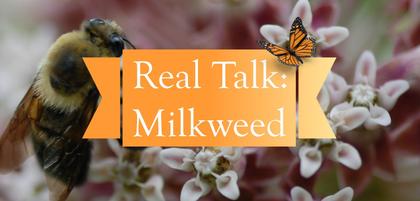
Asclepias tuberosa is a garden favorite for good reason: bold color, drought tolerance, and pollinator appeal. But when it comes to monarch caterpillars, some milkweeds do a little more of the heavy lifting. The best gardens use a mix: beauty and habitat.
Leaving seedheads in place isn’t messy, it’s intentional gardening. See how those spent blooms become natural bird feeders and add texture and movement to your winter landscape.
Bindweed, pretty on the outside, pure chaos on the inside. This late-season menace is creeping into gardens everywhere, and the story behind it is wilder than you’d think. Want to know how it got here… and why it won’t leave?
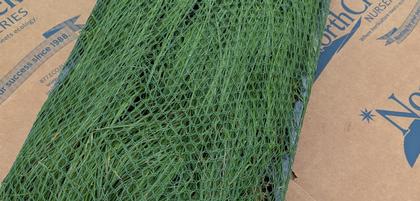
Landscape fabric promises a weed-free garden, but the reality couldn’t be further from the truth. Over time, it breaks down, tangles with roots, and creates an even bigger mess than before. In our newest blog, we break down why this so-called “weed barrier” is one of the most persistent garden myths, and what to do instead!
Want your garden to shine just as the leaves start to fall? Learn how timing your cutbacks (and choosing the right set of perennials) can push perennials to bloom later in the season — giving pollinators more to forage and landscapes more to admire!
Think the growing season’s over? Not so fast! Fall offers ideal planting conditions — moist soil, mild weather, and way less stress for your plants. See how planting now sets you up for next year’s success!
Some plants ask for attention every day. Others just settle in, thrive, and quietly support pollinators. Looking for plants that thrive with minimal fuss? Guess which ones we’re talking about!
From coastal dunes to riverbanks, sandy soils are everywhere. Learn how to make them bloom beautifully!
Most people just seed it with grass and mow, but for those who dream of turning every square inch into a pollinator paradise or colorful planting bed, this “hell strip” can be the final frontier.
Starting September 29, join Dr. Noel Kingsbury, Nigel Dunnett, and Cassian Schmidt for a 10-part online course (and 3 Q&As) in naturalistic planting design!
Healthy soil is the foundation of every thriving landscape. Skip the chemicals and let your soil do the work. Discover how no dig gardening and native perennials create healthier, low-maintenance landscapes.
Create a garden that thrives from spring to fall with native plants: low-maintenance, wildlife-friendly, and eco-smart. Native plants, perfectly adapted to your region, thrive with little care, promote biodiversity, and showcase nature’s changing seasons. Discover four plant combinations you can use now!
Yellow nutsedge is the sneaky invader that keeps coming back, spreading underground with nutlets that survive for years. This week’s blog dives into why this glossy green menace is so hard to beat, and how to finally show it the door!