
Plant Calculator
Enter the approximate length and width of the area you will be planting and click 'Calculate' to determine how many Osmunda cinnamomea you will need.
Correct and successful spacing is complex and depends on project conditions. We encourage you to call us at 877-ECO-PLUG for project specific recommendations and further assistance.
Osmunda cinnamomea
cinnamon fern
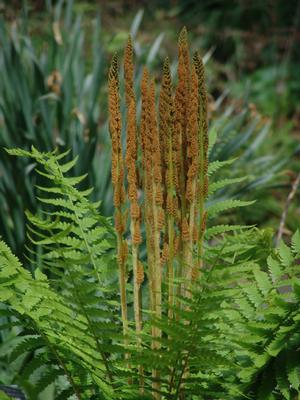
Brilliant green lacy fronds gracefully arch outward in stately vase-shaped clumps. In early summer narrow fronds emerge as vertical spikes of cinnamon red brown in the center. Especially striking when planted in groups. Prefers a moist shady site, but tolerates more sun in cooler zones.
Click here to download technical information for growers:

Soil Moisture Needs
| • | Wet |
Wetland Indicator Status
| • | Falcutative Wetland (FACW) |
Plug Type
| • | Landscape Plug™ |
For Animals
| • | Deer Resistant |
Propagation Type
| • | Tissue culture |
Additional Information about Osmunda cinnamomea
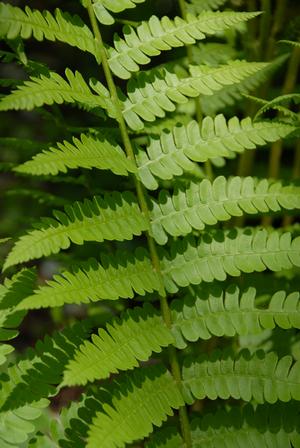
Osmunda cinnamomea, or cinnamon fern, grows vase-shaped with pinnately compound and arching infertile fronds with showy cinnamon-colored fertile fronds appearing in early spring. This fern grows up to 42” tall and 36” wide with wiry, black fibrous roots that create a thick mat over time. The common name comes from the cinnamon-colored fibers found near the frond bases which can be processed and used in potting media for orchids. A lovely addition to the moist shade garden, this easy native is a vibrant green in the summer and ages to gold in the fall. Seeing this plant backlit against the warm gilded fall light is a pleasure to behold.
Found from Labrador to Mexico, spanning as far west as Texas, this fern is a living fossil with fossil records indicating its presence among dinosaurs millions of years ago. Preferring moist, rich soil in part sun to heavy shade, it can take full sun as long as there is consistent soil moisture. Found in bogs, forests, shores of rivers or lakes, swamps, and wetland margins, O. cinnamomea prefers acidic to average soils. While the plant naturally lives in southern climes, it does not tolerate the summer heat well and tolerates more sun in northern climates than southern ones.
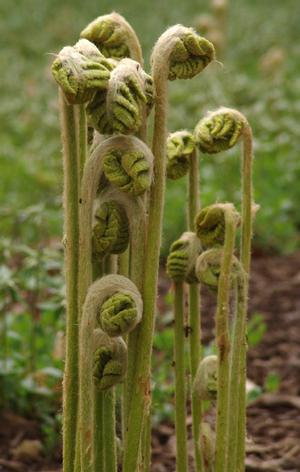
Structural and striking, the cinnamon fern is lovely in a naturalized garden or even arranged in formal lines for a more modern aesthetic. The fibrous root system provides excellent erosion control and works well for streambanks or shaded hillsides. Several Lepidoptera larvae feed on the fronds of this and other Osmunda spp. Similar in taste to asparagus and artichokes, the young fiddleheads are edible.
Growing & Maintenance Tips for Osmunda cinnamomea
Prefers moist, rich, acidic soils in full to patial shade. Needs consistent moisture and can take more sun with regular watering. Propagate by division every few years in the spring.