Plant Calculator
Enter the approximate length and width of the area you will be planting and click 'Calculate' to determine how many Panicum virgatum you will need.
Correct and successful spacing is complex and depends on project conditions. We encourage you to call us at 877-ECO-PLUG for project specific recommendations and further assistance.
Panicum virgatum
switchgrass
- Category: Grass, Native
- Hardiness Zone: 3-9
- Height: 3-5 Feet
- Spread: 2-3 Feet
- Spacing: 24 Inches
- Bloom Color: Red
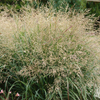
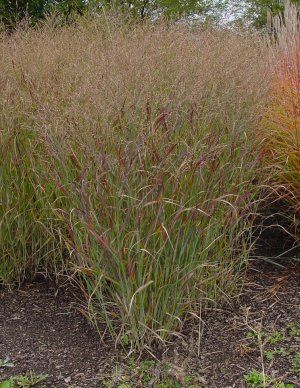
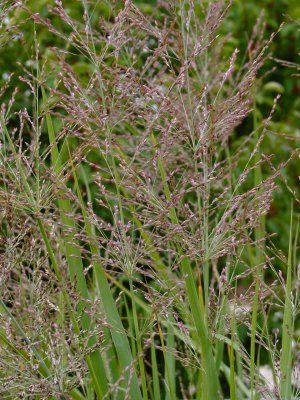
An upright landscape grass with lovely blue green foliage that turns yellow in fall. In late summer airy wheat-colored flowers appear and remain attractive well into fall. It is an undemanding native grass suitable to any soil type. Tough and easy to grow!
Click here to download technical information for growers:

Wetland Indicator Status
| • | Falcutative (FAC) |
Plug Type
| • | Landscape Plug™ |
Propagation Type
| • | Open pollinated |
Grass Type
| • | Warm Season |
Additional Information about Panicum virgatum
Panicum virgatum is an upright landscape grass with lovely blue-green foliage that turns yellow in fall. In late summer, airy wheat-colored flowers appear and the seedheads remain attractive well into winter. It is an undemanding native grass suitable to any soil type. Tough and easy to grow, P. virgatum grows 3-6’ tall and up to 3’ wide. If placed in a happy location (and the competition by birds isn’t too high), the plant will happily self-sow. We love using it as a native replacement to Miscanthus.
Panicum virgatum is one of the most common plants found in the central plains of North America. Growing from Quebec to Montana to Florida through to much of Central America in dry or moist prairies, bluffs, stream banks, and open woods. Switchgrass is native to North American tall-grass prairies and was one of the most prominent prairie species. It grows best in full sun but can tolerate part shade, especially with site-associated mycorrhizal fungi. The plant needs little maintenance after planting – it can be cut to 8” tall in late winter or early spring to tidy up appearance before next season’s display. Panicum virgatum rejuvenates with fire - as a prairie species, fire helps clear old growth and the plant’s deep root system protects it. For most upright growth, plant grass in lean soil; too rich of soil causes the plant to flop. It is mostly trouble-free but occasionally, has issues with rust in hot and humid summers. Crown rot or root rot may occur if the site is too moist and there is poor air exchange.
Switchgrass provides habitat and nesting material for many small vertebrates, is an essential host to the Delaware Skipper and for most banded skippers and satyrs, and also provides seed for birds. This plant thrives in tough locations while also maintaining high-ornamental value. The deep root systems are excellent for erosion control and its tolerance for moist sites allows the plant to be used along stream banks and pond edges to keep soil in place. We enjoy the ease of use, disease resistance, deer-resistance, and how it provides a perfect, lush backdrop to pocket prairies, herbaceous borders, seasonal privacy screens, and gravel gardens.
Growing & Maintenance Tips for Panicum virgatum
Tolerates drought or standing water. Grow in full sun average to moist soil with good drainage. Water well on planting and regularly until established.