Plant Calculator
Enter the approximate length and width of the area you will be planting and click 'Calculate' to determine how many Solidago graminifolia you will need.
Correct and successful spacing is complex and depends on project conditions. We encourage you to call us at 877-ECO-PLUG for project specific recommendations and further assistance.
Solidago graminifolia
flat-top goldenrod
- Category: Perennial, Native
- Hardiness Zone: 3-9
- Height: 3-4 Feet
- Spread: 1-2 Feet
- Spacing: 12-18 Inches
- Bloom Color: Yellow
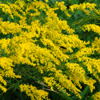
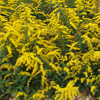
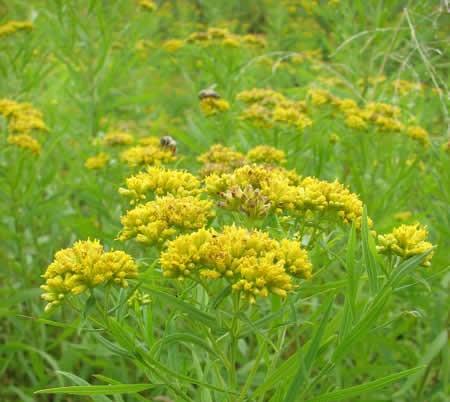
Fine-textured linear foliage and golden flat-topped inflorescences in late summer. Cherished by butterflies and preying mantises and well as the wildflower enthusiast.
Green Infrastructure
| • | Meadow/Prairie |
Plug Type
| • | Landscape Plug™ |
Season of Interest (Flowering)
| • | Late Summer |
Propagation Type
| • | Open pollinated |
Additional Information about Solidago graminifolia
Solidago graminifolia has fine-textured linear foliage and golden flat-topped inflorescences blooming from late July to September. Growing 2-4’ tall and 3’+ wide, it is cherished by butterflies and preying mantises. It stands apart from other Solidago by its grass-like, fine leaves, flat-topped, bushy flowers, and smaller, numerous flower clusters. Grass-leaved goldenrod is commonly found throughout the United States and Canada – in fact, it can be found in 37 out of the 48 contiguous United States.
Solidago graminifolia prefers moist, well-drained soils in full sun to part shade. It is commonly found growing in damp to drier thickets and open areas from Quebec to Maryland, west to North Dakota, Kansas & rarely to Oklahoma. It may spread somewhat aggressively in ideal moist, sunny conditions but it is tolerant of poor, dry soils. It is somewhat drought tolerant once established and propagates readily by seed or division. A word of caution – this plant readily spreads when happy by seed or by roots and would be best suited in a less managed landscape or placed in a large space.
Goldenrod is a favorite for many pollinator species. S. graminifolia supports long-tongued bees, short-tongued bees, wasps, flies, butterflies, moths, and beetles. Additionally, it is a larval host plant for several moths. Adding this plant in conjunction with other goldenrod can lengthen your blooming season, prolong pollinator nectar sources, and provide habitat. Small birds such as goldfinch and swamp sparrow enjoy the seeds and the foliage is necessary forage for young woodland animals.
Growing & Maintenance Tips for Solidago graminifolia
Prefers moist, well-drained soils in full sun to part shade. May spread somewhat aggressively in ideal moist, sunny conditions. Tolerant of poor, dry soils. Somewhat drought tolerant once established. Propagate by seed or division. It is best used at the woodland's edge on in a butterfly, rain, or wild garden.