Plant Calculator
Enter the approximate length and width of the area you will be planting and click 'Calculate' to determine how many Nepeta × faassenii 'Walker's Low' you will need.
Correct and successful spacing is complex and depends on project conditions. We encourage you to call us at 877-ECO-PLUG for project specific recommendations and further assistance.
Nepeta × faassenii 'Walker's Low'
catmint
- Category: Perennial
- Hardiness Zone: 5-9
- Height: 24-30 Inches
- Spread: 24-36 Inches
- Spacing: 24-36 Inches
- Bloom Color: Violet
- Foliage Color: Silver
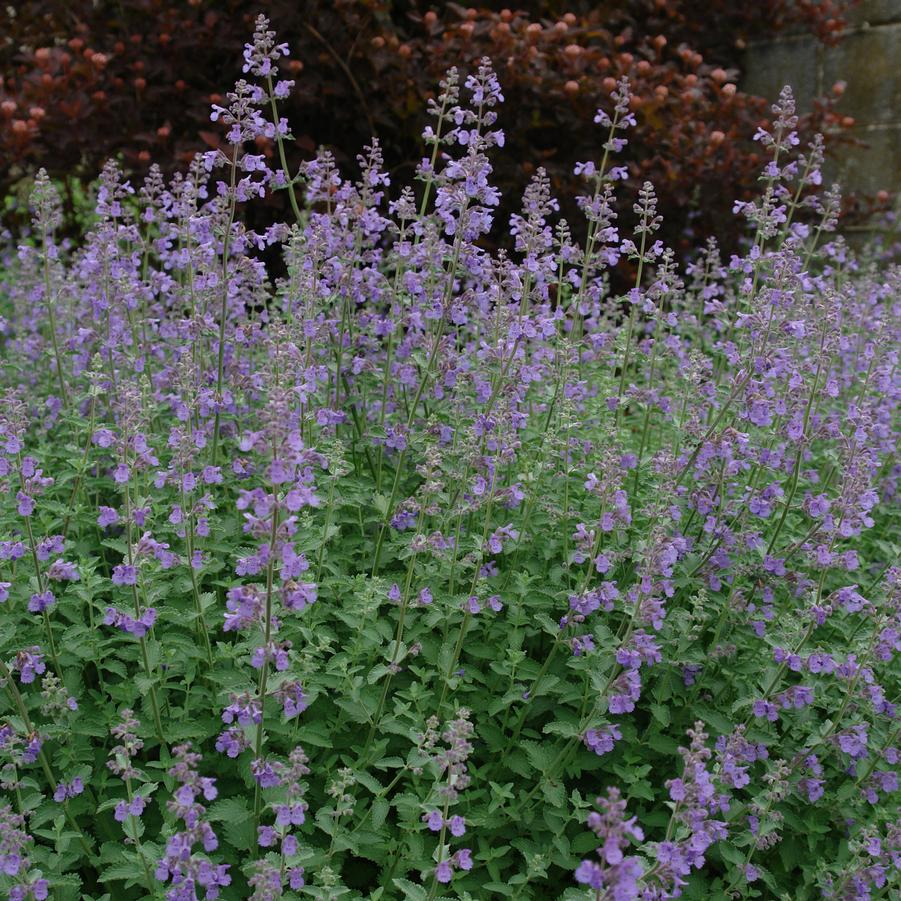
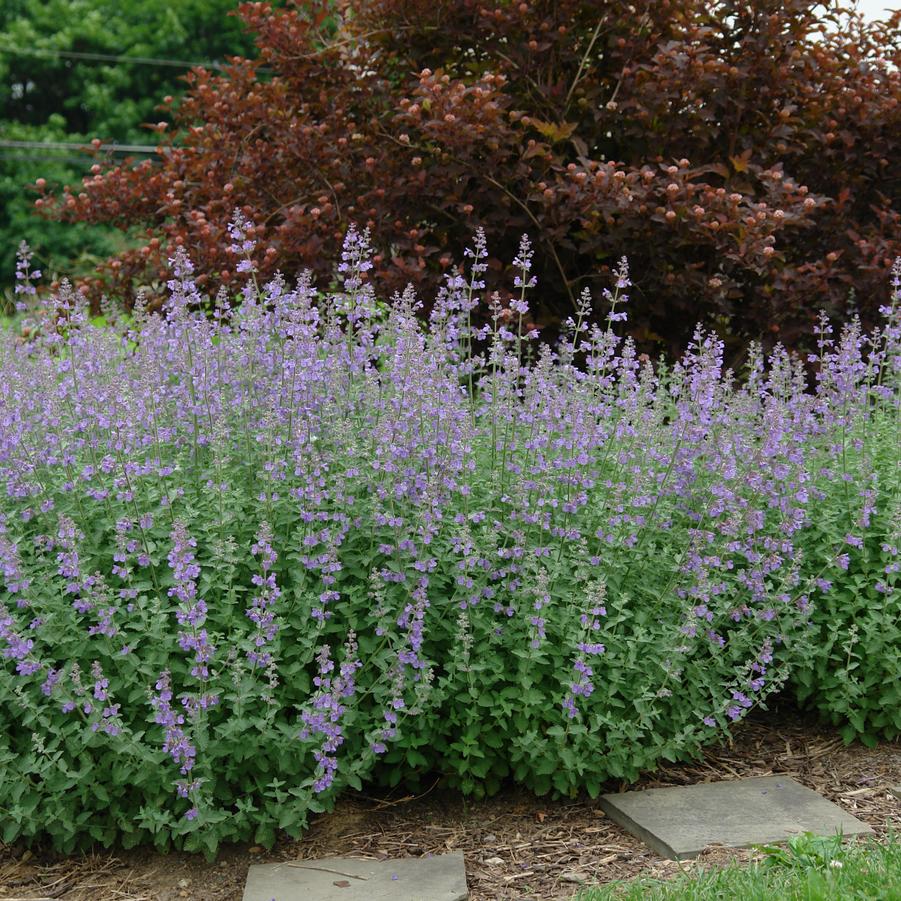
Soft, fragrant, gray-green foliage with sprays of large, distinct bluish purple flowers from April to October. Compact, prolific and beautiful! Named for English garden Walker's Low.
Click here to download technical information for growers:

Additional Information about Nepeta × faassenii 'Walker's Low'
The Perennial Plant Association's 2007 Perennial Plant of the Year®
Grey-green foliage with bluish-purple flowers from April to October. Tough, easy to grow perennial, asking only a well-drained soil with good light. Drought resistant when established. This prolific bloomer benefits from a shearing several times during the season to remove spent flowers. 18-24" high. Named for the English garden Walker's Low. Hardy in zones 5-9. Relation to Catnip, but has no attraction to cats. Also so far, this seems to have little attraction to deer. - Amberg Perennial Farm
Sometime around May a certain fragrance tells us that it’s time for sunny days and warm weather. It’s Nepeta! Catmint, as it is commonly called, is a free bloomer whose billowy mounds of lavender, pink or white flowers are as opulent as its aromatic foliage. Supposedly, this herb renders timid people fierce, and the botanist Tournefort tells of a hangman who couldn’t cut the mustard “til he chewed a little catmint root.” Have some Loosestrife around in case things get out of hand. Cut back in July for an encore in the fall.
This low mounding newcomer has a clean-cut look that lasts throughout the summer, making it excellent for the front of a border. The deep lavender-blue flowers are some of the most vividly colored of the Nepetas we offer... - Digging Dog Nursery
Nepeta 'Walker's Low' is a carefree, mounding sprawler with bright gray green leaves and soft lavender flowers. Chosen as one of the five best plants for Northwest Gardens by the Great Plant Picks committee associated with the Miller Botanical Garden. Nonstop bloom. A Great Plant Picks selection. - Joy Creek Nursery
Growing & Maintenance Tips for Nepeta × faassenii 'Walker's Low'
Prefers sandy, well-drained soil in full sun. Very drought tolerant. Cut back foliage to promote a new flush of growth and to prolong flowering season. Propagate by division or cuttings in early summer. Seeds are sterile. Best used as a low growing groundcover, rock gardens, or edging in the perennial garden.