Plant Calculator
Enter the approximate length and width of the area you will be planting and click 'Calculate' to determine how many Aster cordifolius you will need.
Correct and successful spacing is complex and depends on project conditions. We encourage you to call us at 877-ECO-PLUG for project specific recommendations and further assistance.
Aster cordifolius
blue wood aster
- Category: Perennial, Native
- Hardiness Zone: 3-8
- Height: 2-3 Feet
- Spread: 2-3 Feet
- Spacing: 12 Inches
- Bloom Color: Blue
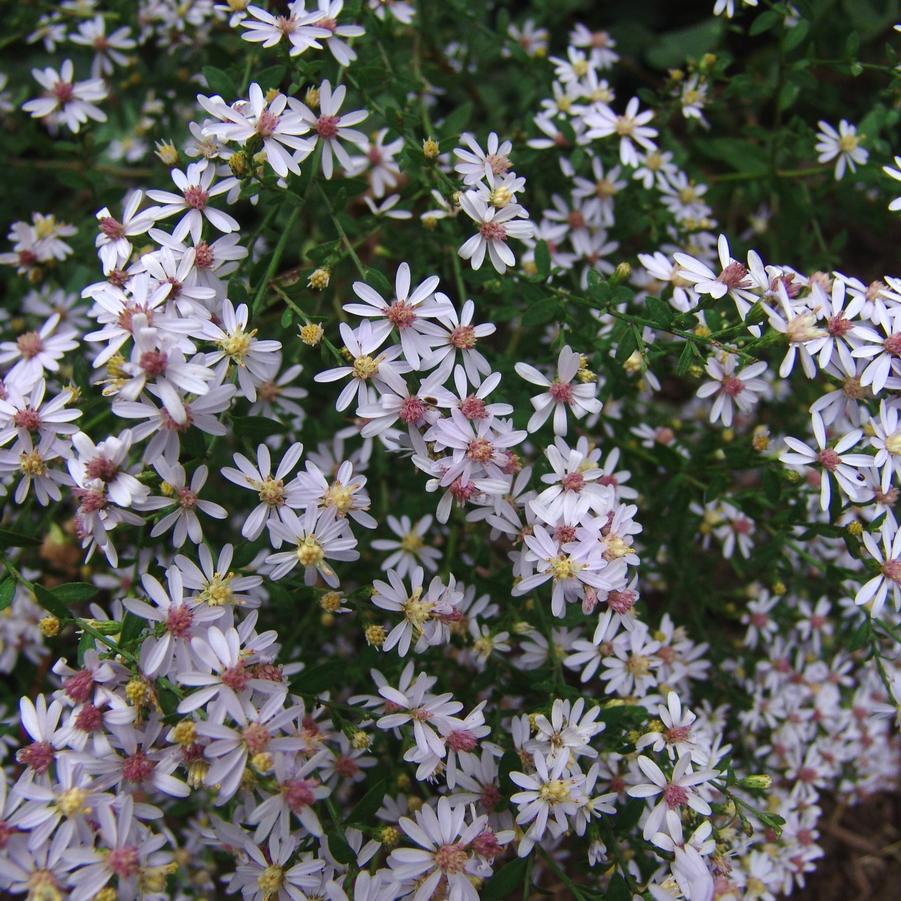
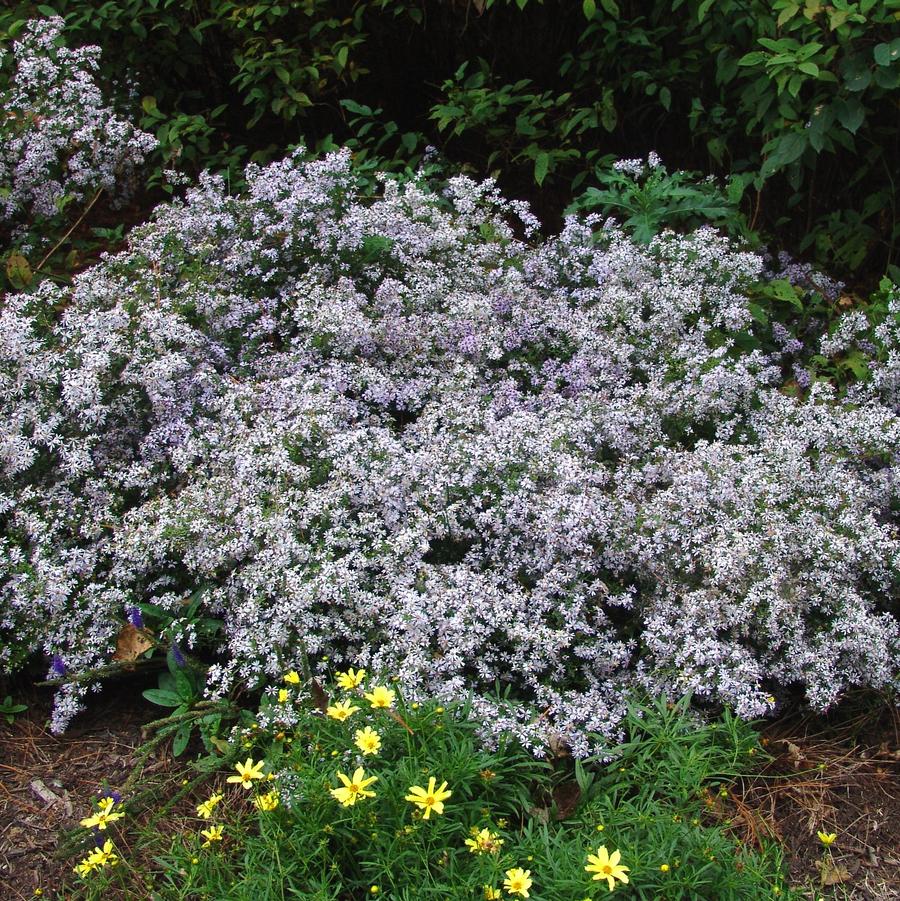
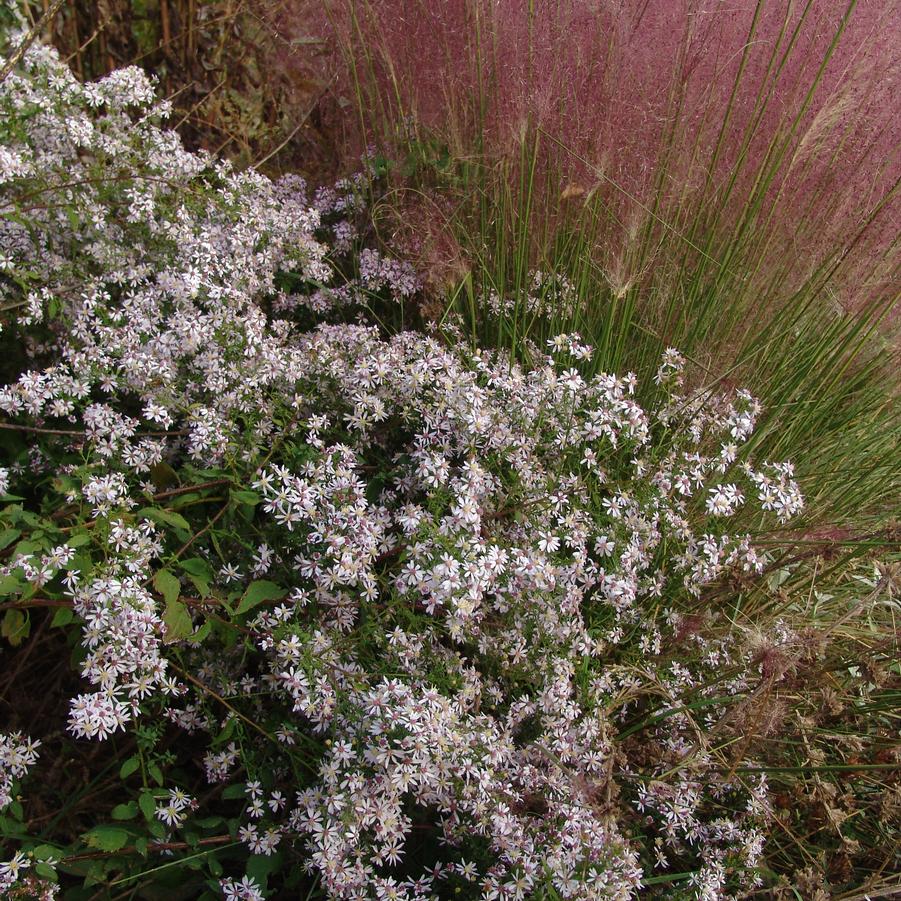
Clouds of blue flowers in early fall in shade! A great naturalizer under trees, at the edge of woods, or as a filler among Hostas and Astilbes, which look pretty rough by September. Found in woods and dry meadows.
Plug Type
| • | Landscape Plug™ |
Propagation Type
| • | Open pollinated |
Additional Information about Aster cordifolius
Aster cordifolius, now Symphotrichum cordifolium, is a woodland edge native with purple to off white daisy-like flower and yellow centers. They have an upright and branched form in cultivation, growing up to 3 feet tall. There is quite a bit of variability in form and leaf shape, especially if other Aster spp. are nearby, but in general, their lower leaves are heart-shaped, or cordate, with upper leaves being ovate. Plant spreads by seed and rhizomotously in a vigorous manner making them an excellent plant en masse.
Common blue wood aster can be found throughout the northern United States in upland meadows and forests. It thrives in part sun to part shade but it can take a wide range of conditions, from dry to moist soils. For best flowering in the fall, ensure the plant receives at least 3 hours of sunlight each day.
Planted beneath our Acers and Physocarpus, this Aster cordifolius is a great naturalizer at the edge of woods or as a filler among Hostas and Astilbes – covering up their late season deterioration with thick blooms and sweeps of greens. The fibrous root systems are effective erosion control on hillsides.
This Aster is no different than many others in its family – providing valuable habitat for Lepidoptera larva and is a nectar sources for bees, wasps, and butterflies. Its leaves are forage for many wild animals including wild turkey and Ruffled Grouse.
Growing & Maintenance Tips for Aster cordifolius
Prefers a partially shaded site, but will tolerate sun or shade. Flowering is best with 3 hours of sun or more. Works well in average, dry or moist soil, but does not like to be consistently wet.