
Plant Calculator
Enter the approximate length and width of the area you will be planting and click 'Calculate' to determine how many Asclepias syriaca you will need.
Correct and successful spacing is complex and depends on project conditions. We encourage you to call us at 877-ECO-PLUG for project specific recommendations and further assistance.
Asclepias syriaca
common milkweed
- Category: Perennial, Native
- Hardiness Zone: 4-9
- Height: 2-4 Feet
- Spread: 1 Feet
- Spacing: 12 Inches
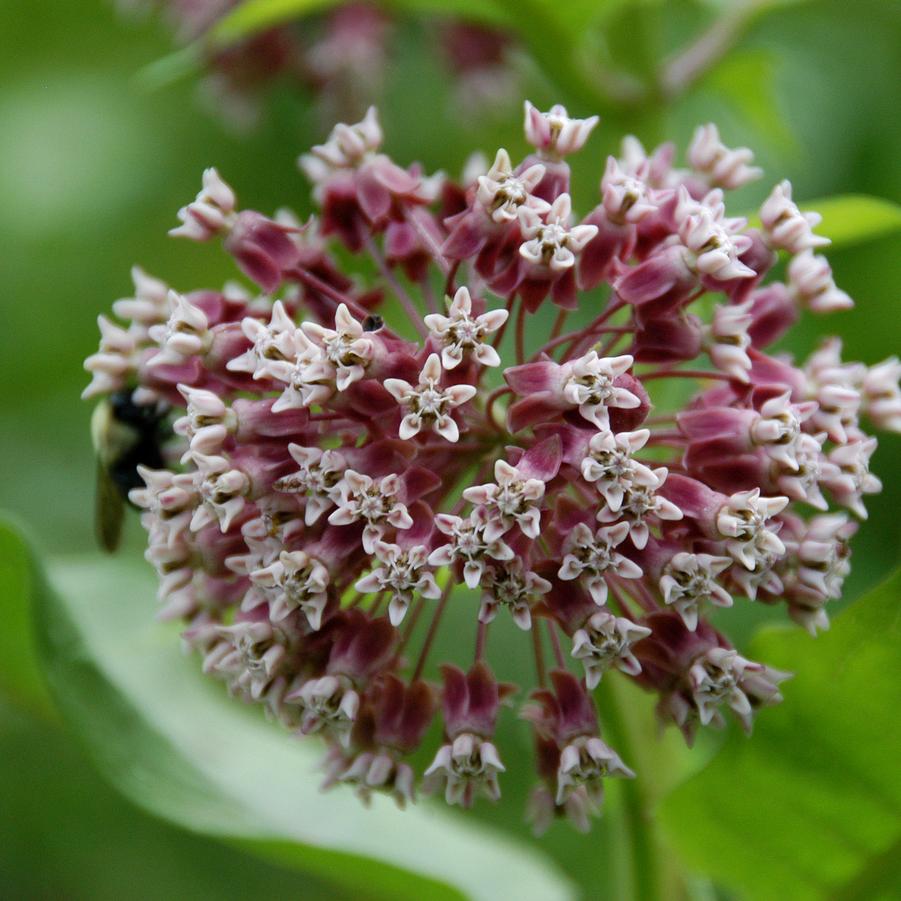
- Bloom Color: Pink
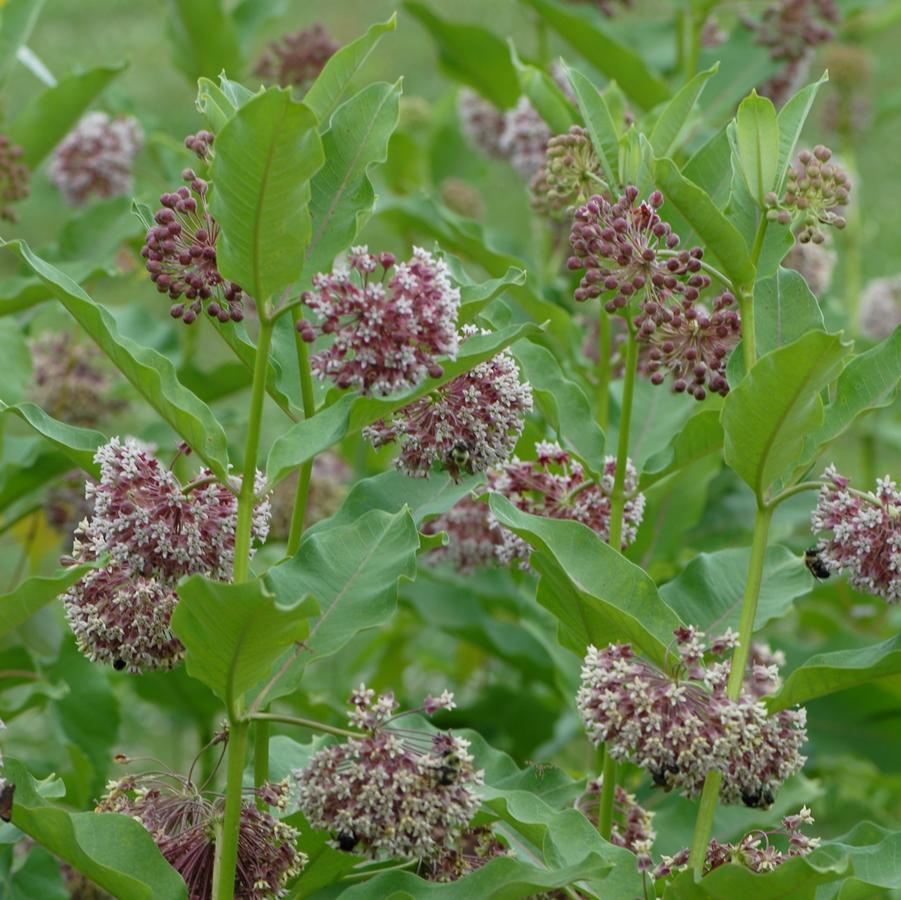
This native classic is best known as a food of larval monarch butterflies (along with its cousins A. incarnata and A. tuberosa). Robust, yet beautiful with deep pink clusters of fragrant flowers in June and July followed by lovely pods of silky seeds in October.
Click here to download technical information for growers:

Exposure
| • | Full Sun |
Green Infrastructure
| • | Meadow/Prairie |
Wetland Indicator Status
| • | Falcutative Upland (FACU) |
Plug Type
| • | Landscape Plug™ |
Season of Interest (Flowering)
| • | Summer |
Propagation Type
| • | Open pollinated |
Additional Information about Asclepias syriaca
Asclepias syriaca is the plant most people think of when they hear the word “milkweed.” Common milkweed's story is that of resilence in the American landscape. Once primarily considered a noxious weed by farmers throughout the eastern and mid-western US, this perennial (and with other Asclepias species) has become a symoblic and iconic species in habitat restorations.
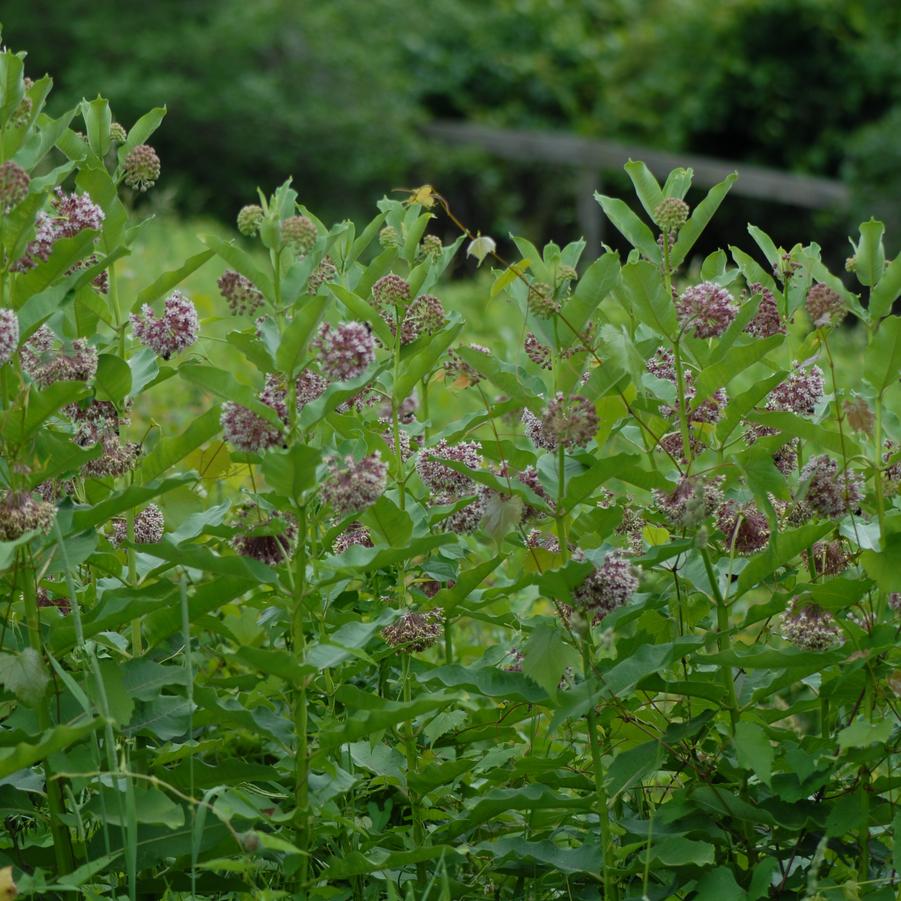
Asclepias syriaca is a stable and long-lived component of our tall mesic meadow at North Creek. It can be agressive in rich mesic soil, so it may not be the designer's first choice for a small or formal garden. However, we have observed that in restoration and meadow plantings this persistence and tolerance of a variety of soil conditions is absolutely beneficial.
Asclepias syriaca is best known as a food of larval monarch butterflies (along with its cousins A. incarnata and A. tuberosa). However, Monarchs are not the only insects that benefit. According to the US Forest Service, over 450 insects feed on some part of the Asclepias syriaca plant! Like many other Asclepias species, this milkweed is toxic to mammals and has very bitter leaves. However, this is fantastic if you are trying to design a garden that is deer resistant!
Growing & Maintenance Tips for Asclepias syriaca
This milkweed grows best in full sun and average to well-drained soil with no irrigation. Fertilizer will accelerate growth, but is not necessary for optimal performance. It is an excellent component of a native meadow or butterfly garden and will tolerate extreme conditions such as a west facing slope.